Presto Engineering Group Engineering Solutions That Drive Results

Presto Engineering Group

Engineering Solutions That Drive Results

Latest Articles

When Hardware Meets Code: Why Software Integration Has Become the Critical Fault Line in American Industrial Projects
Industry Trends

When Hardware Meets Code: Why Software Integration Has Become the Critical Fault Line in American Industrial Projects

Mechanical precision alone no longer guarantees project success on the American industrial floor. As interconnected digital systems become inseparable from physical infrastructure, the inability to bridge hardware and software disciplines during the planning phase is quietly driving some of the most significant cost overruns and commissioning failures in the industry today. Engineering partners who command both domains are rapidly separating themselves from those who do not.

The Quiet Crisis on the Job Site: How America's Engineering Talent Shortage Is Derailing Project Timelines
Industry Trends

The Quiet Crisis on the Job Site: How America's Engineering Talent Shortage Is Derailing Project Timelines

Supply chain volatility and material inflation have commanded industry attention for years, but a deepening shortage of qualified engineering professionals may prove to be the more stubborn obstacle to U.S. project delivery in 2025. From retiring Baby Boomers to an underdeveloped STEM pipeline, the forces behind this gap are structural — and the consequences for project timelines are already being felt. This article examines the root causes and outlines actionable strategies organizations can de

Reading the Fine Print: How Regulatory Misinterpretation Is Inflating U.S. Engineering Project Costs
Industry Trends

Reading the Fine Print: How Regulatory Misinterpretation Is Inflating U.S. Engineering Project Costs

Across U.S. industries, engineering teams are quietly adding millions to project budgets by over-responding to regulations they haven't fully analyzed. The gap between what compliance actually requires and what teams conservatively assume can be staggeringly expensive. Closing that gap demands a more disciplined approach to regulatory review — one that protects both the project and the bottom line.

Complexity Without Purpose: How Over-Specified Engineering Solutions Are Quietly Draining U.S. Project Budgets
Project Management

Complexity Without Purpose: How Over-Specified Engineering Solutions Are Quietly Draining U.S. Project Budgets

The instinct to engineer for every conceivable scenario can quietly transform a well-intentioned project into a budget-consuming, timeline-stretching exercise in diminishing returns. Across U.S. industries, overengineering has become one of the most underdiagnosed sources of project inefficiency. Understanding the organizational forces that drive it — and the frameworks that correct it — is essential for engineering leaders who want to deliver results rather than just sophistication.

The Transition Tax: Why Engineering Project Costs Spike at Handoff Points — and How to Stop It
Project Management

The Transition Tax: Why Engineering Project Costs Spike at Handoff Points — and How to Stop It

For many U.S. companies, the most expensive moments in an engineering project are not the design sprints or the production runs — they are the quiet transitions in between. Poorly managed handoffs between design, validation, and manufacturing teams silently inflate budgets through rework cycles, miscommunication, and undocumented decisions. This article examines the structural reforms leading firms are implementing to eliminate what we call the transition tax.

Why the Fully In-House Engineering Team Is Becoming a Strategic Liability — and What to Build Instead
Project Management

Why the Fully In-House Engineering Team Is Becoming a Strategic Liability — and What to Build Instead

The U.S. engineering talent shortage is no longer a future concern — it is a present operational reality that is constraining project delivery, inflating labor costs, and forcing business leaders to confront uncomfortable truths about how they have structured their technical workforces. The conventional wisdom that a fully in-house engineering team represents organizational strength is increasingly difficult to defend. Companies that are navigating this environment successfully are building some

Modular by Design: Why America's Most Ambitious Infrastructure Projects Are Ditching the Old Playbook
Industry Trends

Modular by Design: Why America's Most Ambitious Infrastructure Projects Are Ditching the Old Playbook

Modular and prefabricated engineering methodologies are fundamentally altering how large-scale U.S. infrastructure and industrial projects are conceived, scheduled, and delivered. Forward-thinking project owners across energy, manufacturing, and construction are discovering that breaking complex builds into discrete, factory-assembled components can slash costs and compress timelines simultaneously. This shift represents more than a construction technique — it signals a broader philosophical dep

Speed as Strategy: How Compressed Engineering Timelines Are Determining Winners in U.S. Industry
Industry Trends

Speed as Strategy: How Compressed Engineering Timelines Are Determining Winners in U.S. Industry

American industrial companies that have learned to accelerate their engineering decision-making cycles are gaining measurable competitive advantages over slower-moving rivals. In sectors ranging from aerospace to advanced manufacturing, speed-to-execution has emerged as a defining differentiator — not a shortcut. This article examines the frameworks, disciplines, and mindset shifts that separate companies capturing market share from those ceding it.

Costly Missteps in Engineering Partnerships: What U.S. Companies Get Wrong and How to Fix It
Project Management

Costly Missteps in Engineering Partnerships: What U.S. Companies Get Wrong and How to Fix It

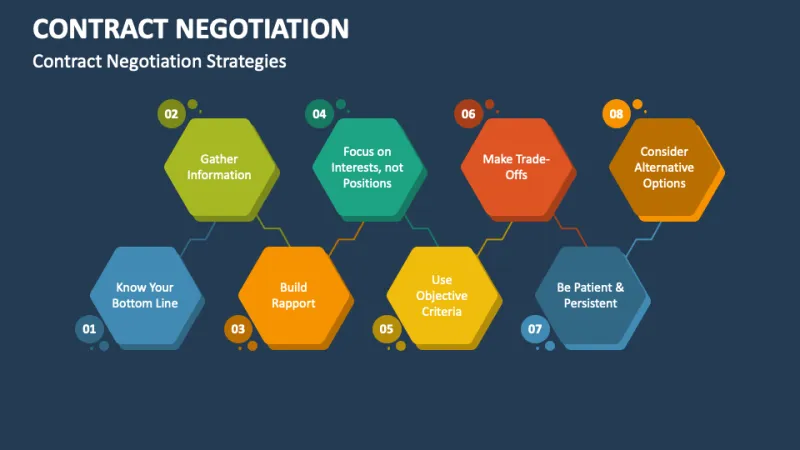
Bringing on an external engineering partner can accelerate growth, expand technical capacity, and deliver measurable results — but only when the engagement is structured correctly from the start. Too many U.S. companies repeat the same avoidable mistakes, from vague scope definitions to misread bid documents, and pay for those errors in schedule delays and budget overruns. Here is a candid look at five of the most common pitfalls and the concrete steps that high-performing organizations take to

The Hidden Profit Drains Undermining Your Engineering Projects — And the Fixes That Actually Work
Project Management

The Hidden Profit Drains Undermining Your Engineering Projects — And the Fixes That Actually Work

Most engineering projects don't fail dramatically — they erode quietly, one overlooked inefficiency at a time. From scope drift to fragmented vendor relationships, these five bottlenecks are silently consuming your budget and timeline. Here's how to identify them early and course-correct before the damage becomes irreversible.

Precision Over Scale: Why American Manufacturers Are Choosing Specialized Engineering Partners in 2025
Industry Trends

Precision Over Scale: Why American Manufacturers Are Choosing Specialized Engineering Partners in 2025

A fundamental shift is underway in how US manufacturers select their engineering partners. Driven by reshoring momentum, supply chain volatility, and tightening regulatory demands, companies are moving away from large generalist firms and toward specialized partners who offer deeper expertise and greater accountability. This trend is reshaping the competitive landscape — and the manufacturers who adapt earliest stand to gain the most.